On 15 July 2026, the Institute for International Studies in Education and Economics (ISIEE) met with representatives of ASIF to discuss potential areas of cooperation in education, educational technology, and community development programmes supporting disadvantaged and vulnerable groups.
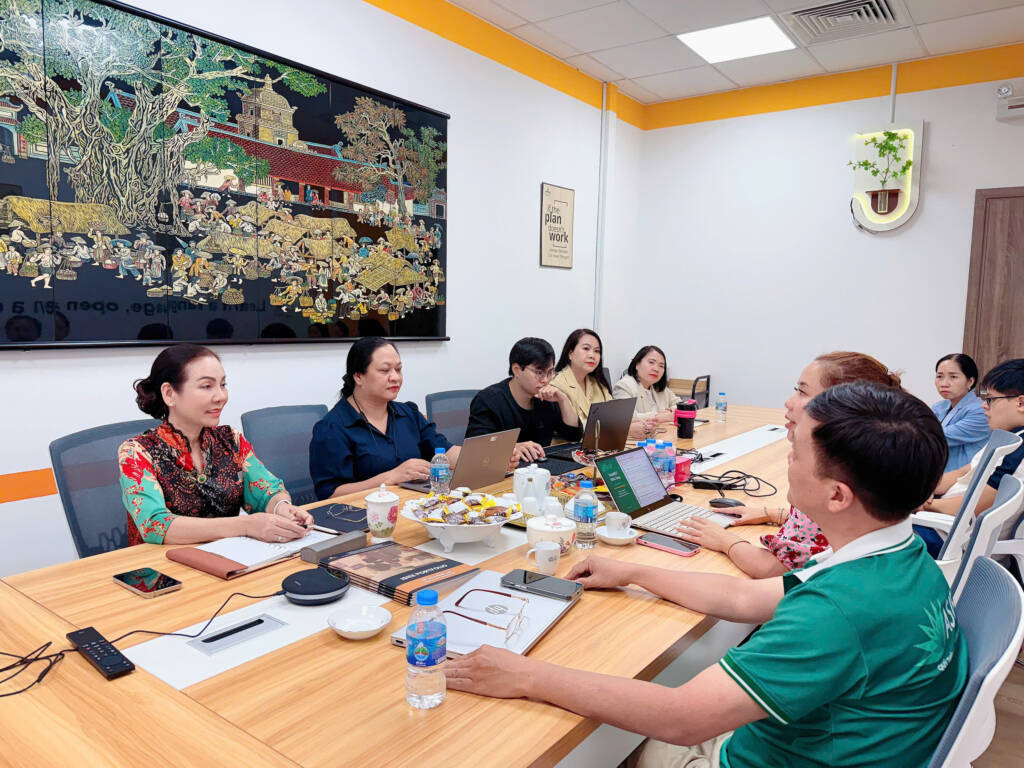
The meeting focused on identifying sustainable models of collaboration in which education extends beyond the provision of immediate assistance. The two organisations emphasised the importance of establishing long-term foundations that enable local communities, schools, and other stakeholders to gradually operate programmes independently, build institutional capacity, and expand their impact beyond the initial funding and support period.
During the discussion, ISIEE and ASIF explored several potential areas of cooperation. These included English-language programmes for students in areas with limited access to high-quality education; Vietnamese-language programmes for Vietnamese children living abroad and overseas Vietnamese communities; artificial intelligence-powered learning solutions; and specialised education programmes for children with disabilities, children with developmental delays, children with autism, women from low-income backgrounds, and other communities requiring additional support.
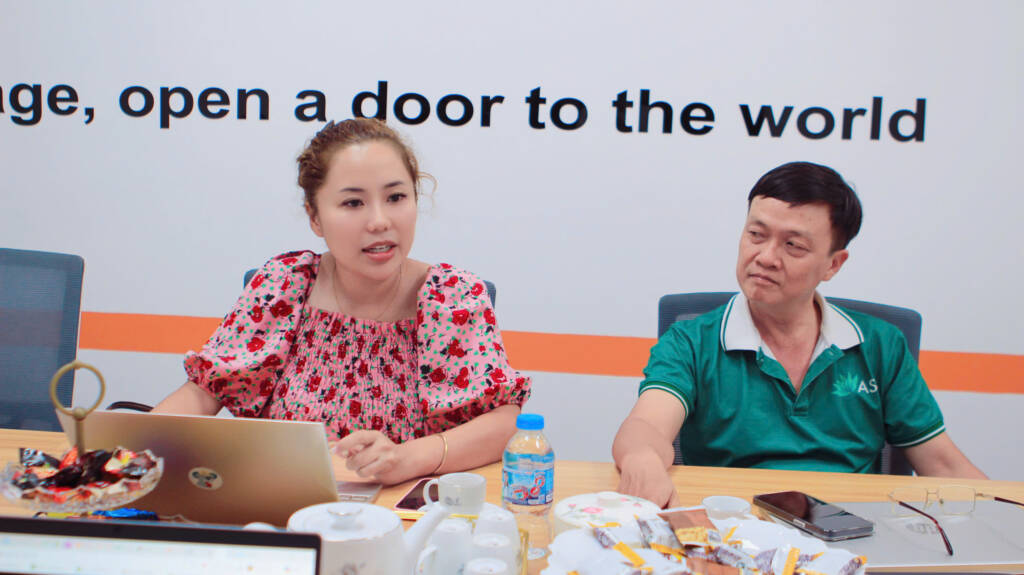
Drawing on its experience in implementing education programmes through an Online-Merge-Offline (OMO) model that combines international teachers, Vietnamese teachers, and technology-enabled learning, ISIEE shared its vision for developing programmes with clearly measurable outcomes and impact.
Key indicators—including the number of beneficiaries reached, improvements in learners’ competencies, programme sustainability after funding ends, the capacity to transfer knowledge and operational responsibility to local stakeholders, and the efficient use of resources—were identified as essential to the long-term development of education projects. These indicators can also strengthen the ability of such initiatives to attract continued support from organisations, businesses, and funding institutions.
Another key area of discussion was the development of project proposals aligned with international standards and tailored to the actual needs of individual communities and beneficiary groups. Rather than adopting a one-size-fits-all approach, ISIEE and ASIF discussed the importance of designing customised interventions. Each proposal should clearly define the local context, identified needs, objectives, implementation roadmap, and expected outcomes.
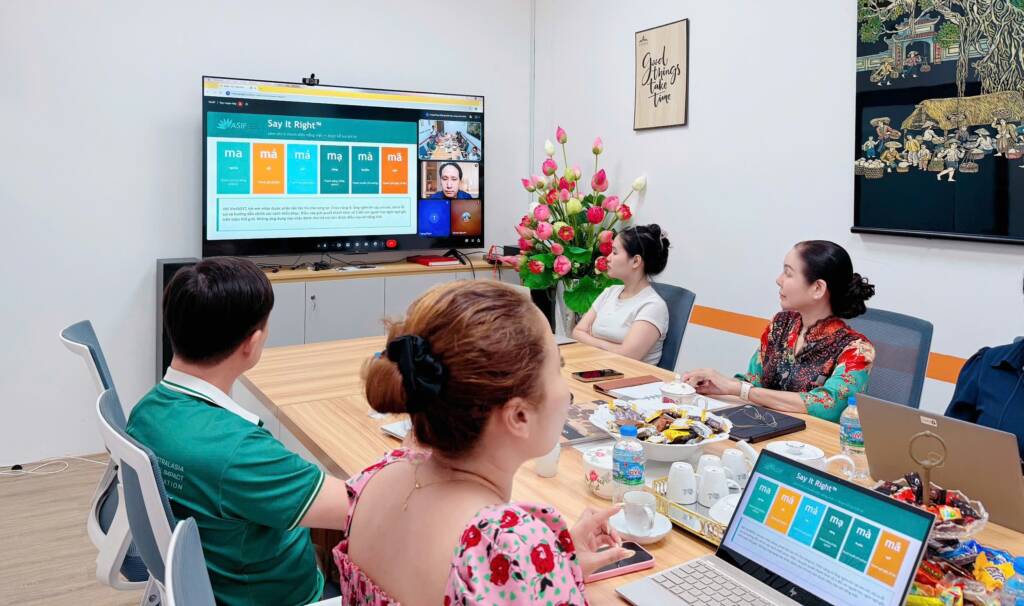
In addition to English-language programmes, the two organisations also began exploring opportunities to develop technology- and AI-enabled learning platforms. These platforms could support learners in developing their listening and speaking skills, improving their pronunciation, receiving personalised feedback, and following learning pathways suited to their individual abilities and progress.
This direction is consistent with the broader trend of digital transformation in education. It also creates opportunities for more flexible and accessible learning among students in remote and disadvantaged areas, as well as communities where educational opportunities and resources remain limited.
The meeting between ISIEE and ASIF represents an important first step towards building mutual understanding, establishing connections, and developing a framework for future cooperation. Based on their shared commitment to education, community development, and support for vulnerable groups, both organisations look forward to further discussions aimed at developing practical, sustainable programmes capable of delivering clear and meaningful social impact.
ISIEE sincerely appreciates the ASIF representatives for taking the time to meet, listen, and engage in an open and constructive exchange on potential opportunities for cooperation.
ISIEE believes that bringing together educational expertise, technological capabilities, social resources, and a shared commitment to community service will provide a strong foundation for expanding access to learning opportunities that are more equitable, high-quality, and centred on human needs.